

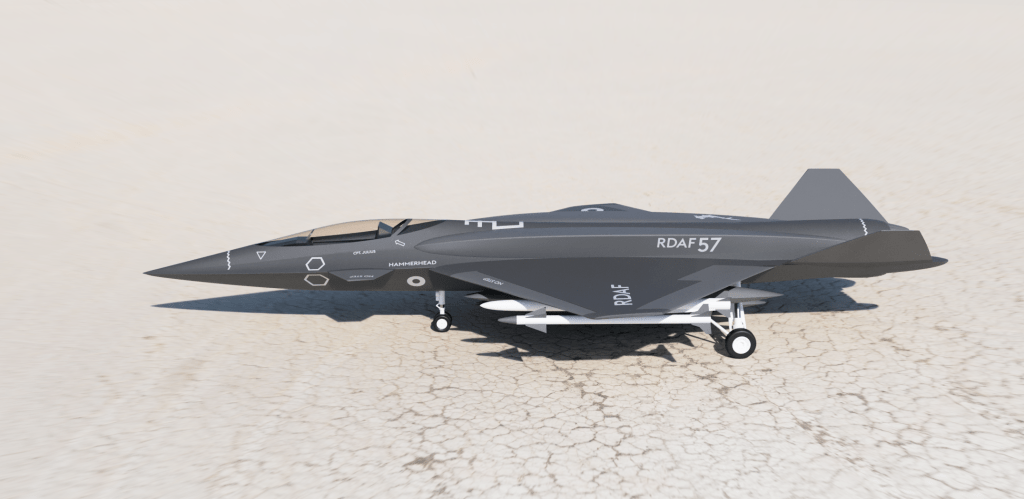
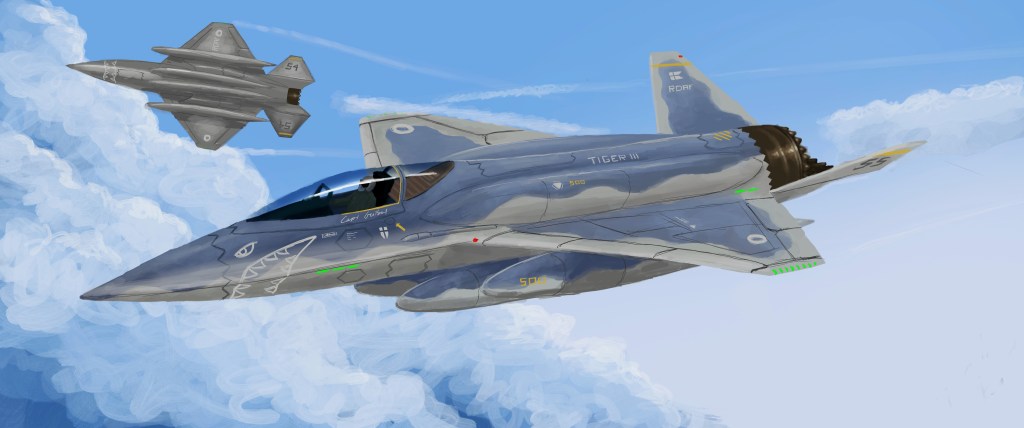
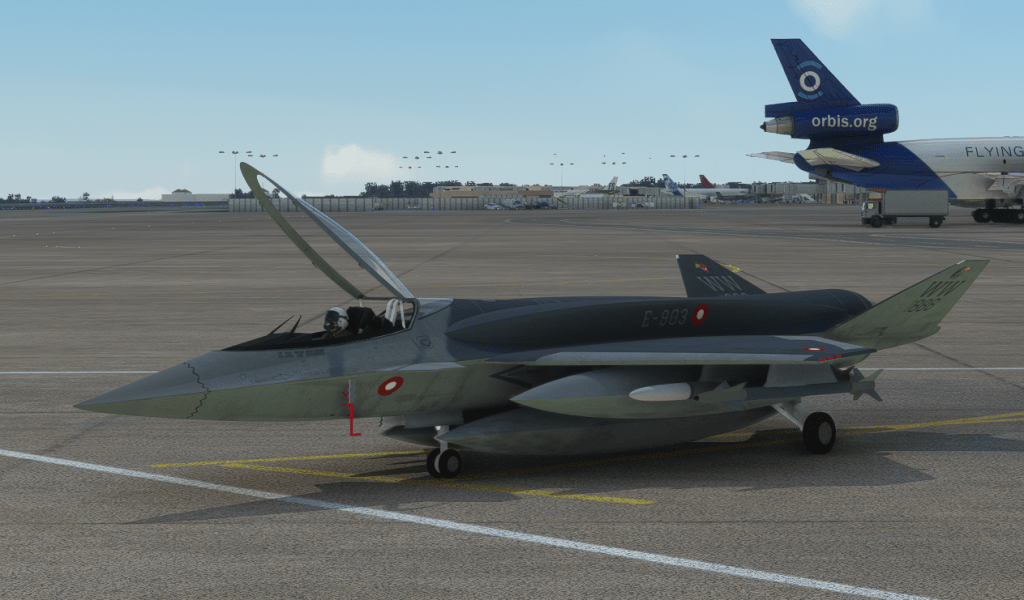
Spent a lot of time updating the Block 12, so much so that it’s now renamed Block 20. New skin with IR masking, lots of fixes, longer flight time, throttle issues minimized, dynamic lights now work and a bunch of analogue instruments added 🙂
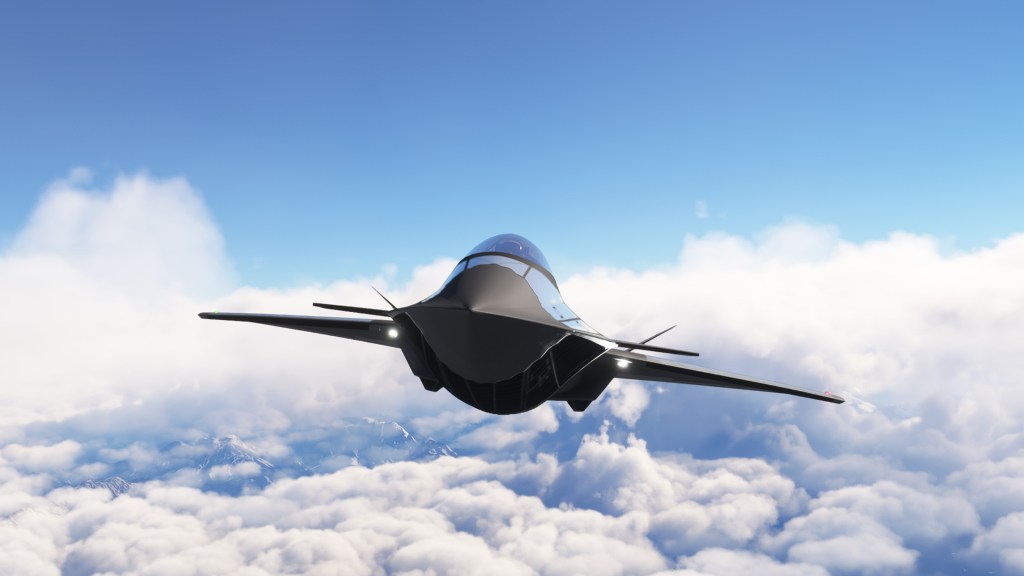
This jet is an homage to the F-20 Tigershark that never really got its proper place in aviation history, although it and the F-5 could be called the grandfather of perhaps the F-16 and the F/A-18, maybe even the JF-17. Conceptual stealth fighters are becoming very visible as technology looks towards the future generations in fighter aviation.

Concepts like 6th gen FCAS, NGAD, Tempest and J-36 spring to mind. They give a fleeting insight into what the next generation of air dominance fighters might look like. The ideas have captured smaller industries as well – Turkish TAI TFX or Swedish Flygsystem 20 seem to be serious proposals for native fighter concepts. In 2019 a Lt. Col. in the Royal Danish Air Force pitched the idea of a fighter concept that could support Denmark’s F-35’s in maintaining national borders and in other specialized roles.

The design should also align with the ideals put forward by the fighter mafia: That a fighter should be small, nimble, easily maintainable and be inexpensive to keep flying. Which meant the design quickly adopted roots in the F-5 and F-20 – out of respect for those designs the designation F-20 was maintained. This concept is a thought experiment visualized in Microsoft Flight Simulator, the virtual aircraft draws heavily upon the F/A-18 in the sim, which is what the real concept would also have to do: Be based on existing parts and technology. That is why the engine is an F110 engine borrowed from the F-16’s that danish ground crews already know very well and why the glass cockpit / avionics look similar to 4th gen. The aircraft design itself is based on the YF-23 ( you can tell by the pelican tail ) the F-16 ( small size, big engine ) the SR-71 ( the chines around the nose ) and the F/A-18 both in multi rudder functionality – and finally the F-35 thrust vectoring from the B model, nozzle design and the diverterless intakes.
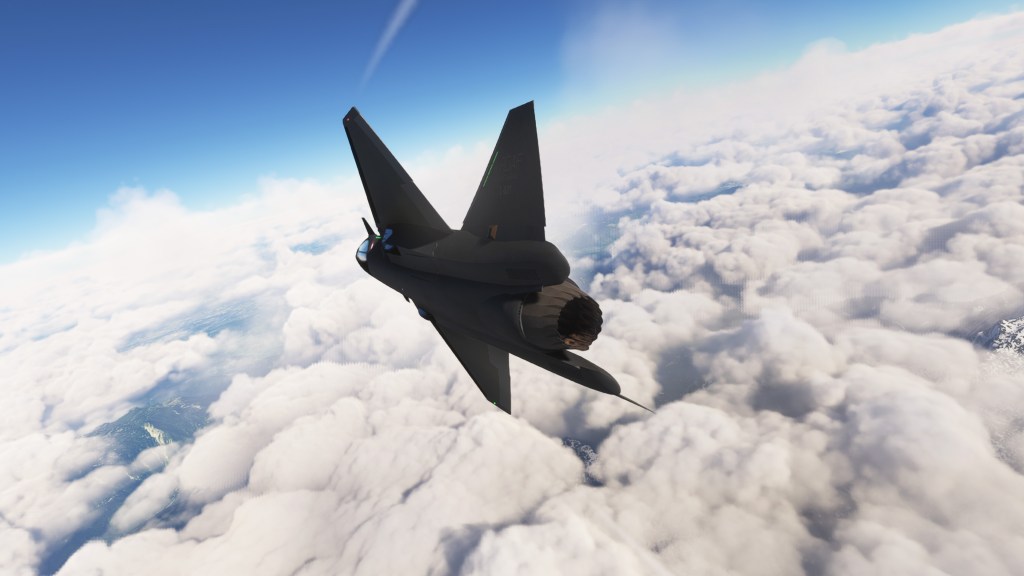
The aircraft was also designed to operate from austere airfields, the dorsal intake helps in this regard as well as making sure the engine is fed air no matter the orientation or air speed of the aircraft. The canards help with high maneuverability and grants the jet limited STOL capability.



 Witus works - Work with us