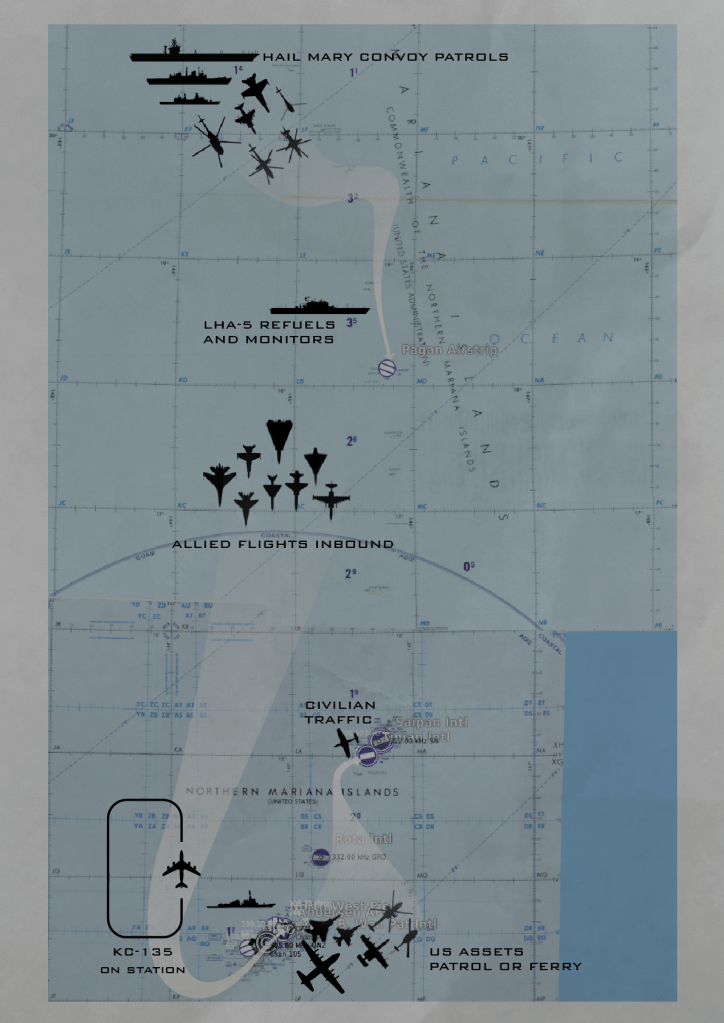
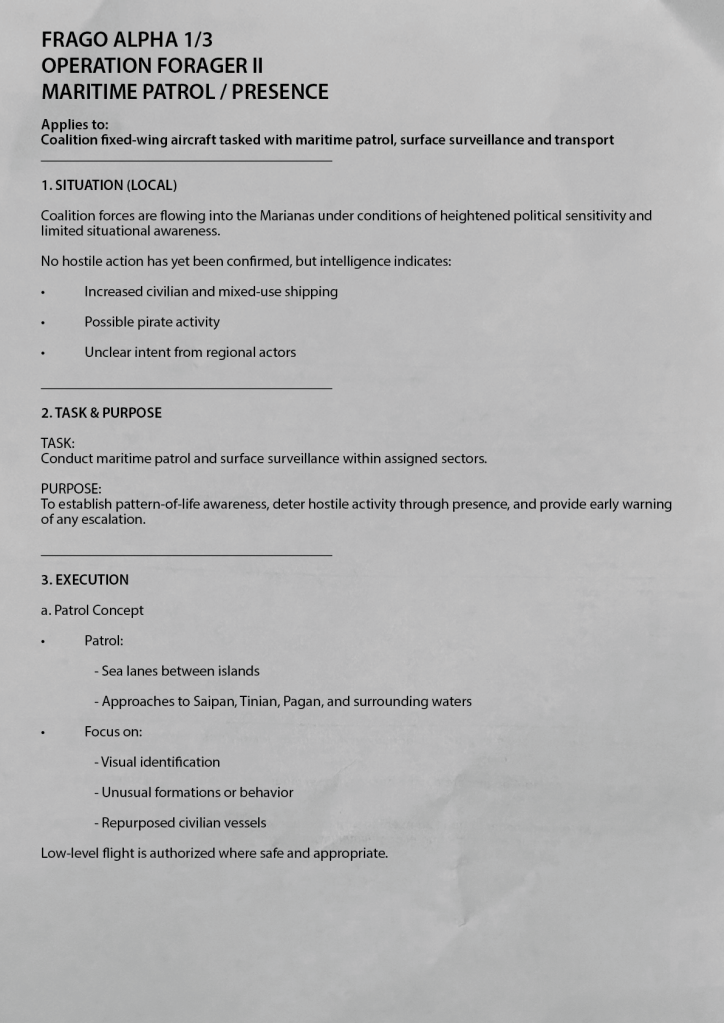
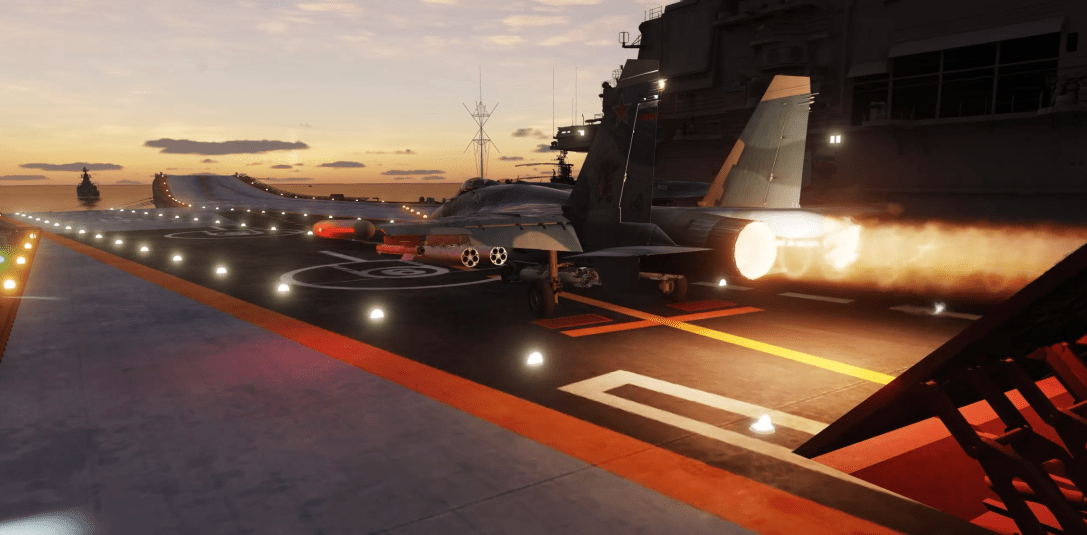
As a Christmas present to all the simmers out there, I’m releasing the DCS campaign I’ve been working on for the past 3+ years for free. It includes 30 playable aircraft over 7 missions and is set in the Marianas island chain ca. 2015 where the world is reeling from a deadly pandemic.
I chose Patreon to handle the hosting since other people who do altruistic projects did the same over there 🙂 Anyway, here’s the release trailers, a couple of kneeboard examples and the link for my new Patreon free stuff site 🙂
If you’re wondering what’s going on with the F-20A – I’m still working on that, the campaign just felt like a nice Christmas present so I had to ready it as a solid Early Access release. I’ll get back to the Hammerhead in 2026 – I promise! 🙂
Spent a lot of time updating the Block 12, so much so that it’s now renamed Block 20. New skin with IR masking, lots of fixes, longer flight time, throttle issues minimized, dynamic lights now work and a bunch of analogue instruments added 🙂
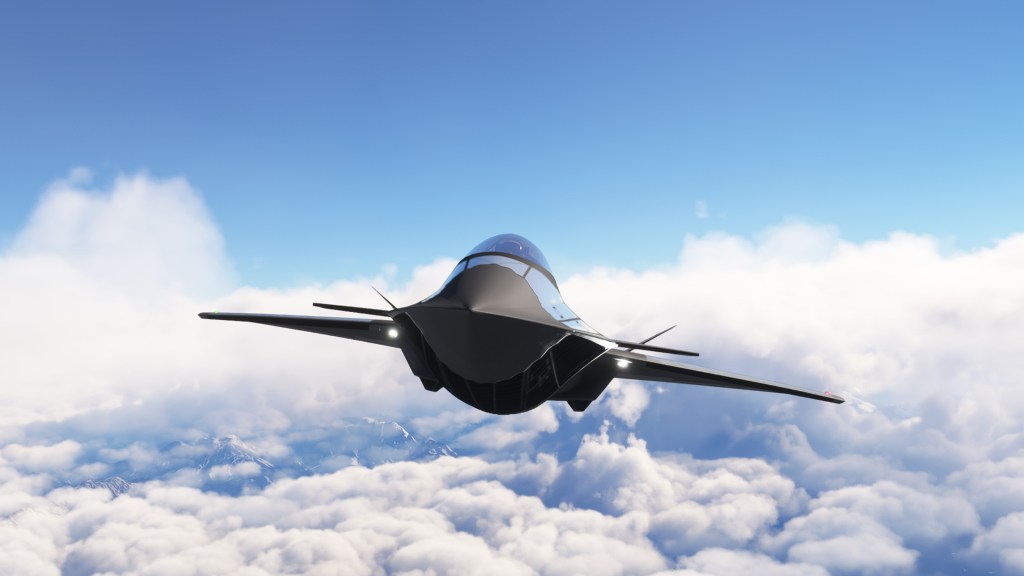
This jet is an homage to the F-20 Tigershark that never really got its proper place in aviation history, although it and the F-5 could be called the grandfather of perhaps the F-16 and the F/A-18, maybe even the JF-17. Conceptual stealth fighters are becoming very visible as technology looks towards the future generations in fighter aviation.
Concepts like 6th gen FCAS, NGAD, Tempest and J-36 spring to mind. They give a fleeting insight into what the next generation of air dominance fighters might look like. The ideas have captured smaller industries as well – Turkish TAI TFX or Swedish Flygsystem 20 seem to be serious proposals for native fighter concepts. In 2019 a Lt. Col. in the Royal Danish Air Force pitched the idea of a fighter concept that could support Denmark’s F-35’s in maintaining national borders and in other specialized roles.
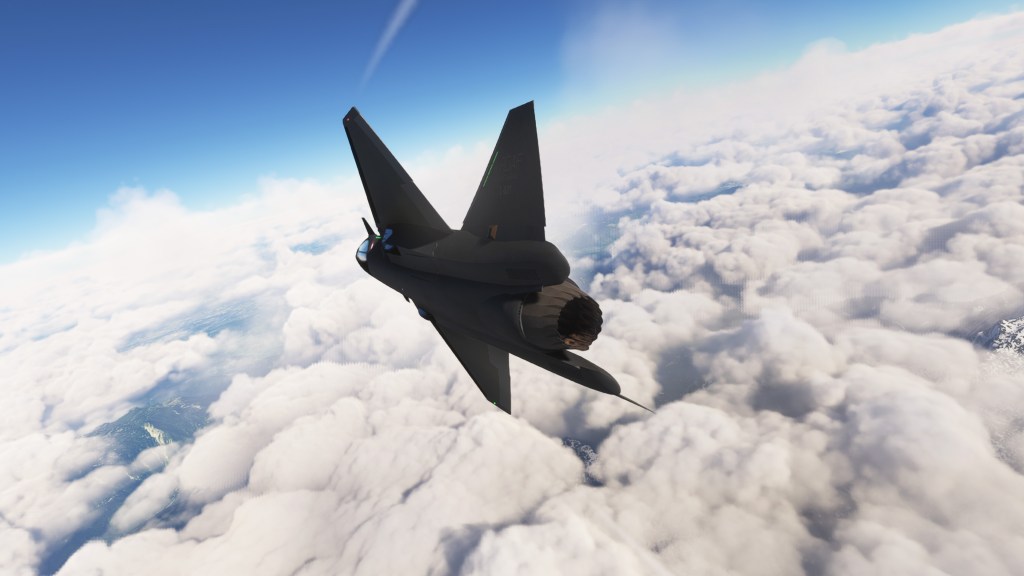
The design should also align with the ideals put forward by the fighter mafia: That a fighter should be small, nimble, easily maintainable and be inexpensive to keep flying. Which meant the design quickly adopted roots in the F-5 and F-20 – out of respect for those designs the designation F-20 was maintained. This concept is a thought experiment visualized in Microsoft Flight Simulator, the virtual aircraft draws heavily upon the F/A-18 in the sim, which is what the real concept would also have to do: Be based on existing parts and technology. That is why the engine is an F110 engine borrowed from the F-16’s that danish ground crews already know very well and why the glass cockpit / avionics look similar to 4th gen. The aircraft design itself is based on the YF-23 ( you can tell by the pelican tail ) the F-16 ( small size, big engine ) the SR-71 ( the chines around the nose ) and the F/A-18 both in multi rudder functionality – and finally the F-35 thrust vectoring from the B model, nozzle design and the diverterless intakes.
The aircraft was also designed to operate from austere airfields, the dorsal intake helps in this regard as well as making sure the engine is fed air no matter the orientation or air speed of the aircraft. The canards help with high maneuverability and grants the jet limited STOL capability.
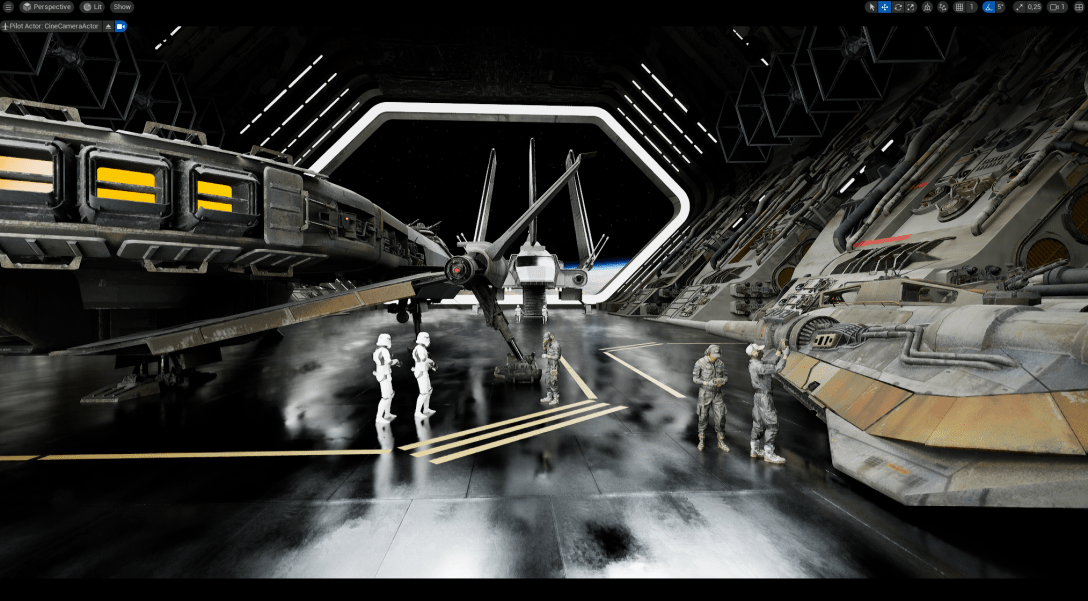
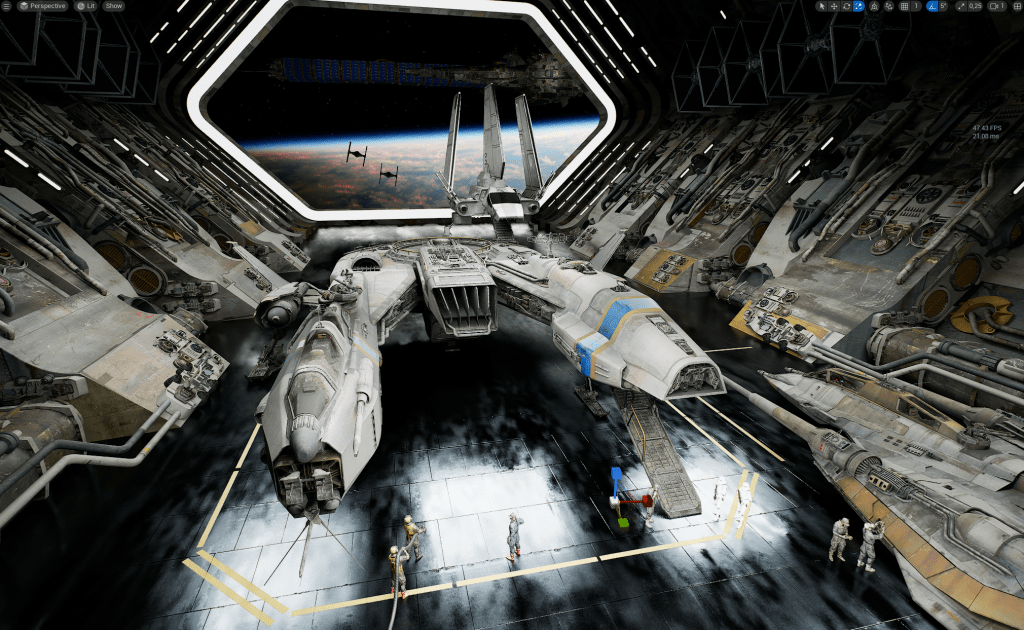
Spent a weekend nursing a summer cold… But since I was confined to the house I had time to look into Unreal 5 and ended up making this! I’m using the Greebles pack from “Technouveau” and tutorials from “Bad Decisions” on Youtube – maybe I’ll go and design a spaceship next..
5 second zoom in
I’m impressed at the high quality renders and speed at which the engine runs even with complex geometry and shaders! – it’s kind of addictive! It took a while to harmonize the new assets with the traditional Star Wars troopers and spacecraft, but I think it came out ok, it feels like an imperial outpost of sorts..
Sometimes scaling needs to be tweaked to fit the scene.. In this case the center ship got a little too big
So what do you do for fun around here? – well for me – I’m really into flying these days – And currently I’m midway to having my real world private pilots license, but on the side I’m also creating a campaign for the most complicated combat simulator accessible for civilian use – and here’s the teaser trailer! because, you know, why not commercialize it and have my hobby work for me? 😀
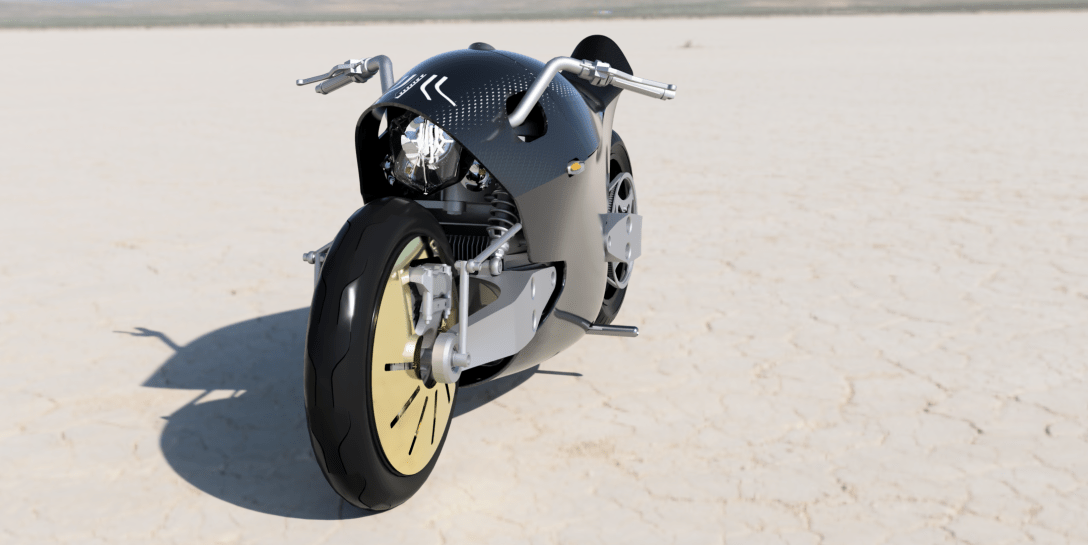
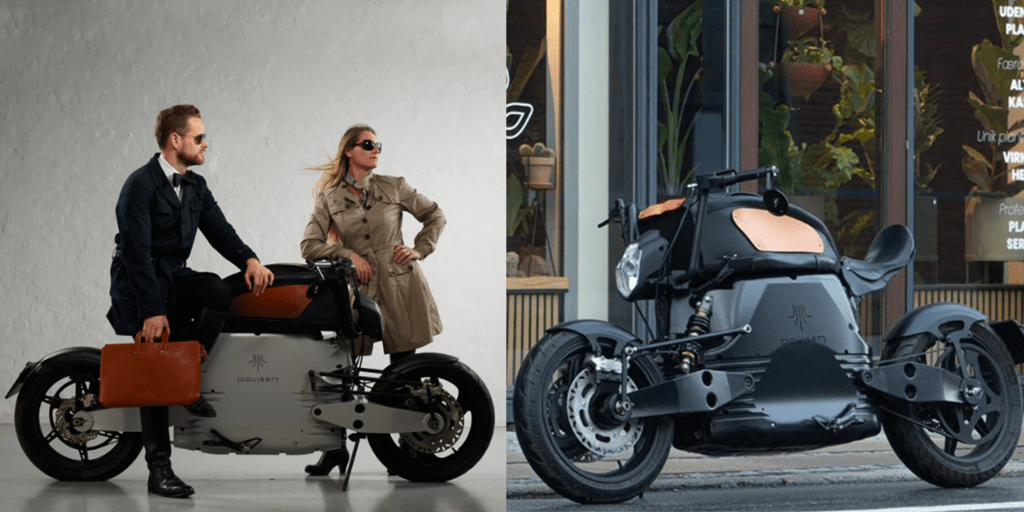
A friend of mine, Torben Poulsen, has created his own electric MC brand and is currently marketing his first motorcycle via his website here – I thought the bike looked interesting and suggested I could do a styling pitch for it, just to expand on where the design could go in the future.
The current PM design is a stylish roadrunner with a large cargo compartment for a “fuel” tank.
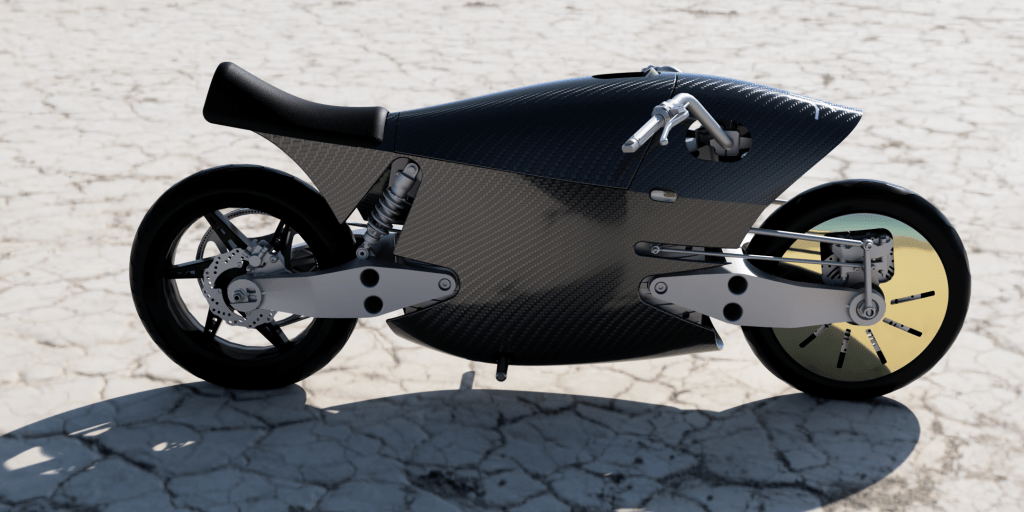
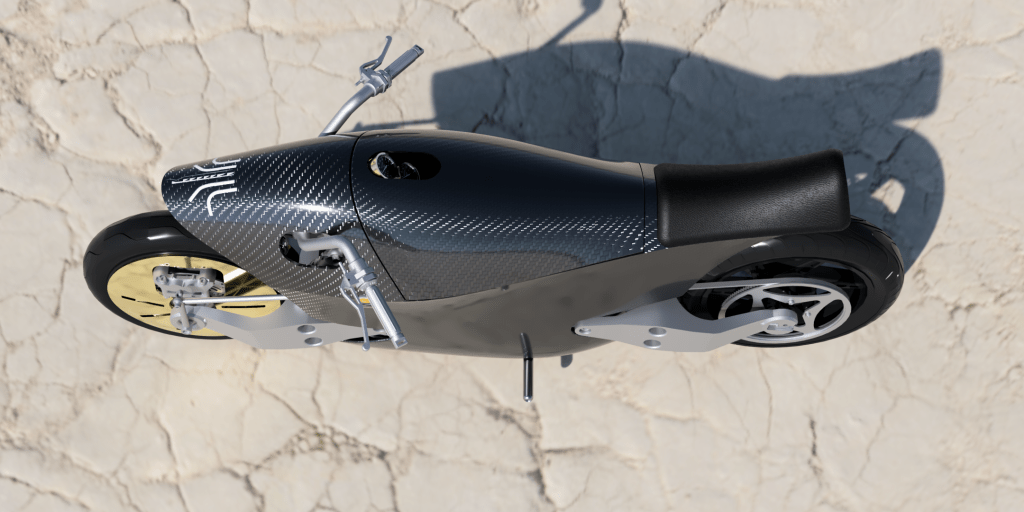
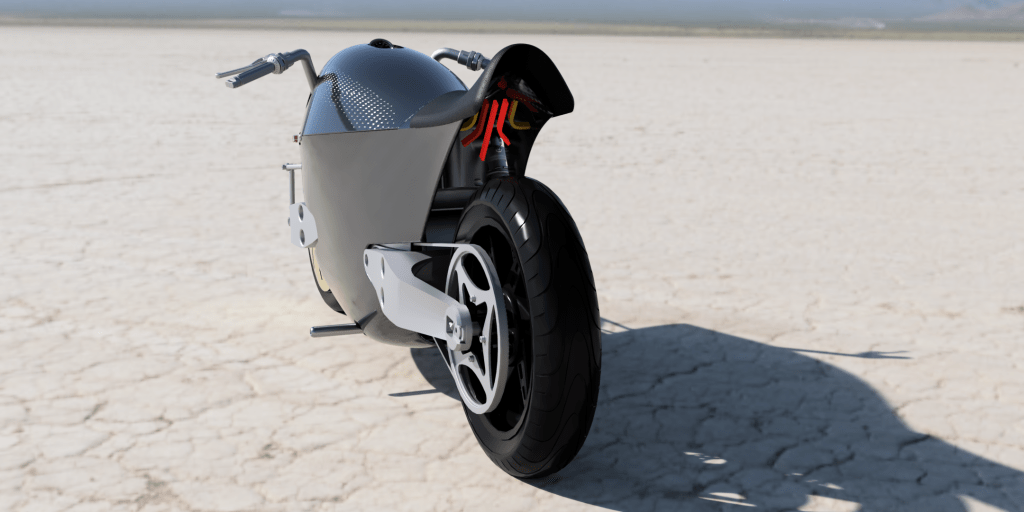
The design I came up with is a simplistic retro futuristic approach that covers the central components of the bike. It adds legacy style gauges where the tank cap would normally sit and lowers the handlebar to allow for a more sporty style rider position.
The sleek lines are primarily a styling choice, although there are aerodynamic benefits.
Electric vehicles are often measured on range and efficiency, in this case the styling could help achieve slightly better aerodynamics, but it in order to be fully efficient, a wind screen and other alterations would be necessary to properly include the rider in the overall airflow.
Instrumentation is embedded where the fuel tank cap would normally sit. The gauge style indicators is a design choice to emphasize the retro futuristic approach of the bike.
Having a tachometer isn’t really necessary on an electric motorbike, but since it connects to the legacy feel it’s included, in this case it’s purely an aesthetic parameter that measures the revolutions of the electric engine.
Although rendered without, the actual bike would have fenders placed as close to the tire as possible
It’s going to be interesting to see where the design goes from here, Poulsen Motors have expressed interest in taking the design further, so let’s see. As an added benefit my design students will be able to use this as an interesting foundation for their upcoming electric vehicle design class 🙂






 Witus works - Work with us